

How to boost impulse purchases in the supermarket
Have you ever walked out of the supermarket with more items than you actually planned to buy?
If so, you have fallen for an impulse purchase.
The truth is, in our daily lives, it is very common to give in to impulse buys — those unplanned purchases that we end up adding to our supermarket shopping cart or basket.
Why does this happen? Because supermarkets use marketing and visual merchandising strategies to drive impulse buying and steadily grow their sales.
What is impulse purchase or impulse buying in the supermarket?
Impulse purchasing refers to those buying decisions in the supermarket that we make without any prior planning.
It happens when we are at the point of sale and feel drawn to a product we do not really need but end up buying because of various stimuli and strategies used by supermarkets.
One of the key aspects to drive impulse buying is the strategic location of products on the shelves.
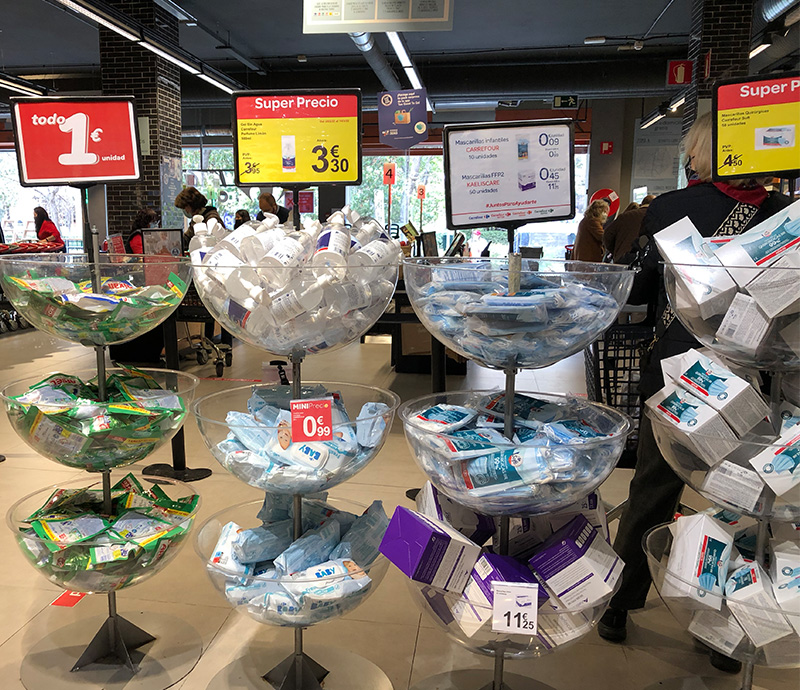
Supermarkets place tempting, attractive products in highly visible spots, such as the entrances or near the checkouts.
They tend to be small, affordable products with a high profit margin, so when they are prominently displayed, they capture our attention and raise the chances we will buy them on impulse.
Impulse-purchase items: the power of offers and promotions
An effective strategy to encourage impulse purchases is the use of offers and promotions, such as “buy one, get the second one half price” or “buy 3, pay for 2“.
These offers and promotions push us to buy more than necessary, because we perceive that we are getting an economic benefit. What is more, if they are time-limited, they create a stronger sense of urgency, raising the likelihood we will make an impulse buying decision.
Another strategy to drive impulse sales in the supermarket is using strategic placement techniques to highlight certain items. For example, the most popular or highest-margin products are placed at eye level, on middle shelves or in special displays near the main aisles.
This way they make sure we see them easily and find it hard to resist them.
Some types of impulse purchase in the supermarket
1. Snacks and sweets
When walking past the snacks and sweets aisle, it is common to be tempted by the colourful bags of crisps, chocolates, biscuits and other treats. Even if we do not really need them, their visual appeal and immediate availability can lead us to add them to our cart without a second thought, falling once again into impulse buying.
2. Products at the checkout area
The areas near the checkouts are strategically designed to encourage impulse purchases.
This is where we find small, affordable products such as chewing gum, magazines, batteries and other items that can seem attractive while we wait in line to pay — a moment when it is easy to give in to temptation and add these extra items to our shopping.
3. New products or launches
The moment supermarkets promote new products or special launches is a good time to spark customers’ curiosity and make it easier for them to try something new on impulse.
Promoting these products through free samples, in-store demonstrations or promotional packs can entice us to buy them without having planned to.
4. Items on special displays
Supermarkets also tend to create special displays for certain products they want to highlight.
For example, they may set up a table with products to make a quick, easy meal, which leads us to buy all the ingredients even if we do not need them immediately.
Again, these displays are designed to grab our attention and trigger an impulse purchase.
In short, impulse buying is a reality in supermarkets and is strategically planned to help customers raise their average basket and the supermarket grow its revenue and sales.
Elements that favour impulse buying in the supermarket
To drive impulse sales, there are several elements that help products stand out on the shelf.
- Cross-merchandising strips are marketing and visual merchandising elements used in retail outlets to promote cross-selling of related products. These strips are usually placed on shelves or at points of sale and contain a variety of complementary products displayed together to encourage add-on purchases.
- Cross-merchandising: a strategy used in the supermarket to grow sales by combining related or complementary products in the same display space, through specific fixtures in featured zones.
- Stoppers. Displays that stick out from the shelf and help draw consumer attention to promotions and impulse sales actions, making visual navigation easier for the shopper.
- Highlighters and glorifiers. Elements placed on top of the shelf to provide more information about the product, helping it stand out and supporting brand-customer communication at the point of sale.